What Is Reablement? How Short-Term Support Helps You Recover at Home
A hospital stay often ends faster than anyone expects. One day the ward is talking about a discharge date, the next someone mentions a reablement team, and you’re left wondering what that means for your mum, your dad, or for you.
This guide explains what reablement is, what a reablement team actually does, how long it lasts and whether you’ll pay for it. It also covers the question most families only ask in the final week: what happens when reablement ends.
Key Takeaways
- Reablement is short-term support at home that helps someone relearn everyday tasks after a hospital stay, a fall or an illness.
- A reablement team works with the person rather than doing things for them, with the aim of making itself unnecessary.
- In England, councils must provide reablement free of charge for up to six weeks, whatever a person’s income or savings.
- It’s usually arranged by the hospital before discharge, or through your GP or local council if someone is already at home.
- Reablement ends on a set date. Any support needed after that is arranged separately, so it pays to plan early.
Reablement meaning: what it is, and what it isn’t
Reablement is short-term, goal-focused support that helps someone regain the skills and confidence to manage at home again. The NHS groups it with rehabilitation and recovery services under the wider heading of intermediate care, so you may hear several names used for much the same thing.
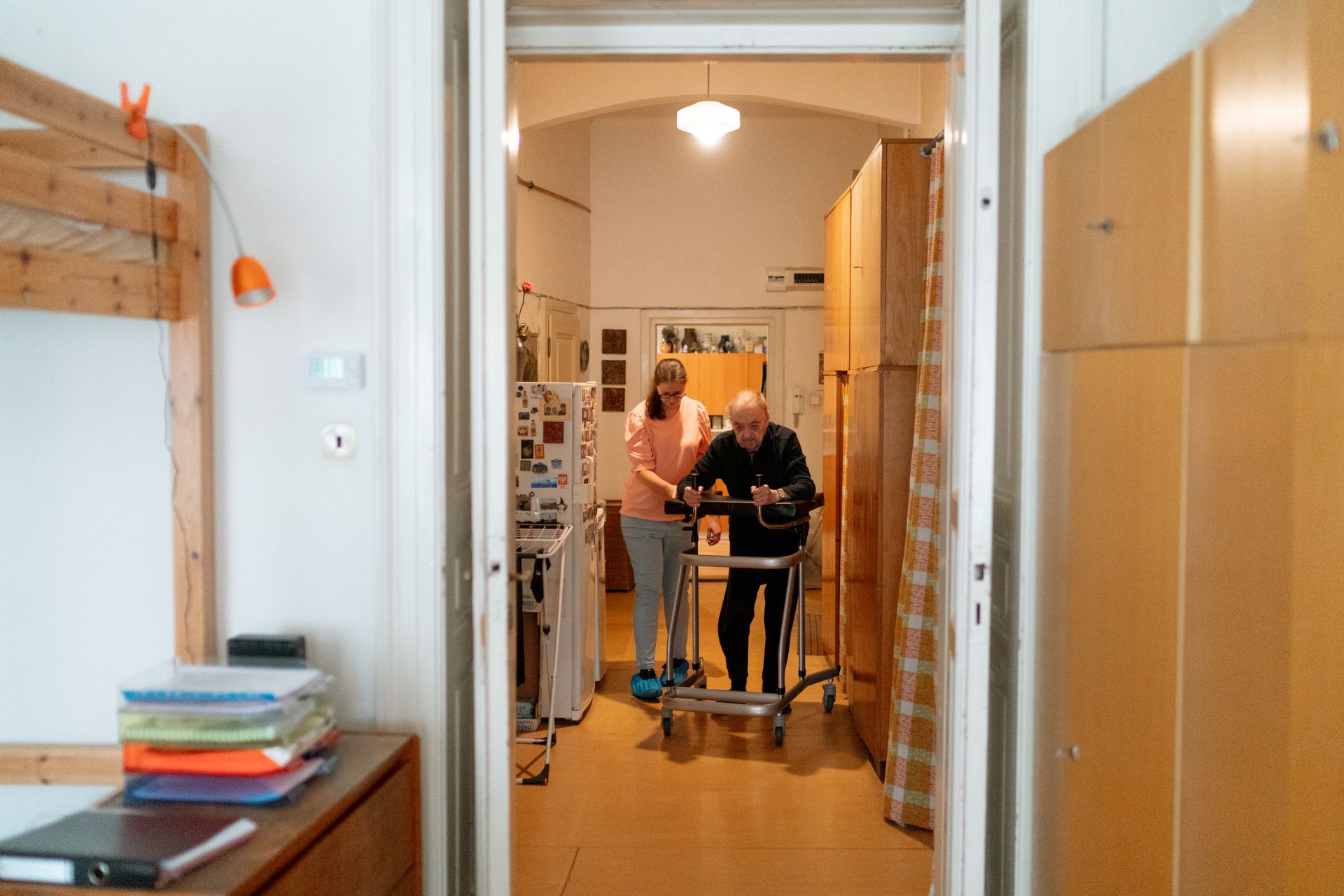
The simplest way to understand the reablement meaning is to compare it with everyday home care. Home care does things for someone. Reablement does things with them, then steps back a little more each day. In practice, that might look like:
- Practising everyday tasks. Getting washed and dressed, making a hot drink, preparing a simple meal.
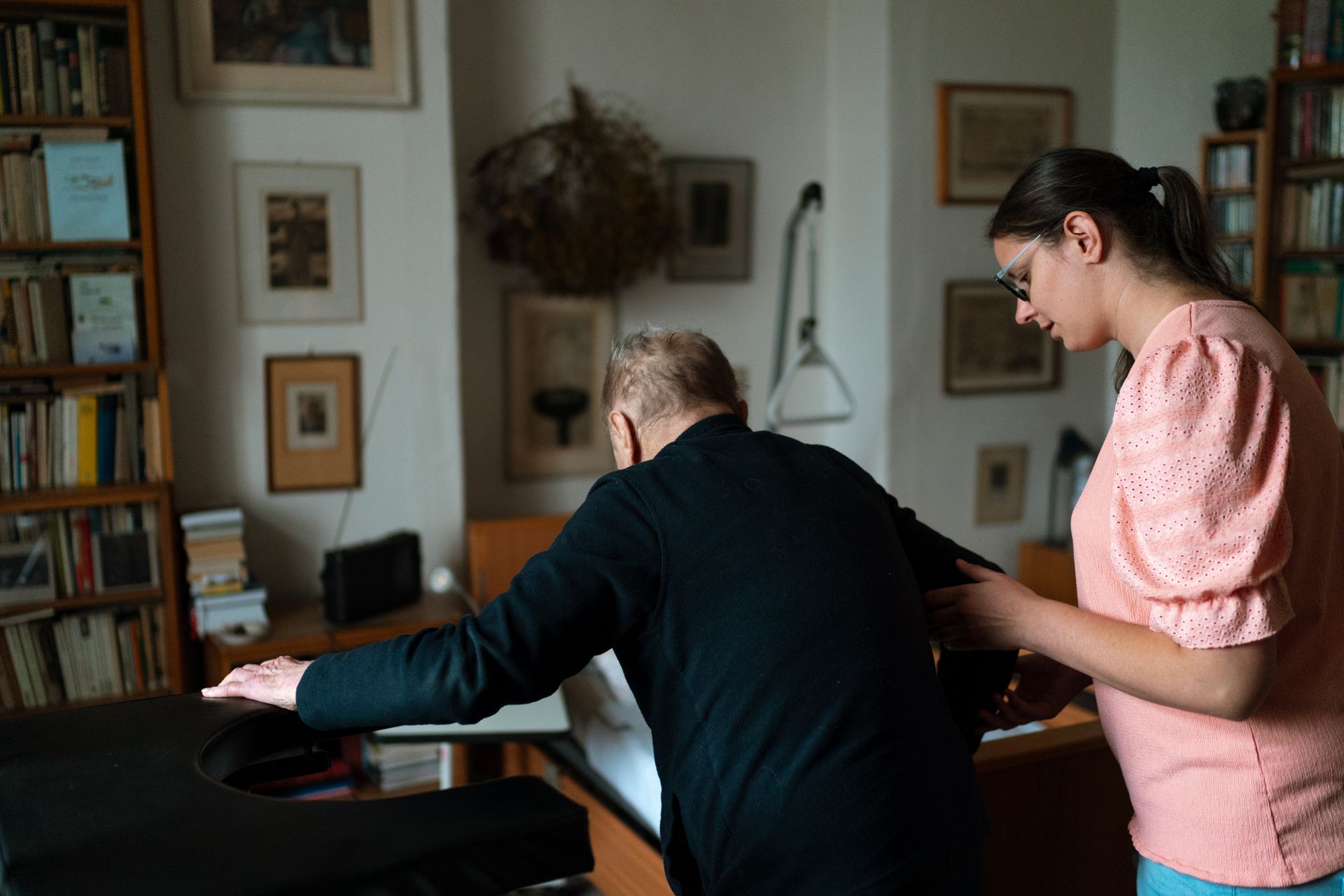
- Getting moving again. Getting in and out of bed or a chair, walking a little further each day, managing the stairs.
- Finding new ways to do things. A different technique, a perching stool in the kitchen, a grab rail by the bath.
- Rebuilding confidence. After a fall especially, the worry about falling again can hold someone back as much as the injury itself.
It can be hard to watch someone you love take ten minutes over a job you could do in two. But that patience is the point. Every task they manage on their own is one they’re far more likely to keep.
Who is reablement for?
Reablement is for adults who have lost some independence but are expected to get at least some of it back. It’s often offered:
- After a hospital stay, for example following a stroke, a chest infection or a broken bone.
- After planned surgery, such as a hip or knee replacement.
- After a fall or illness at home, sometimes to help avoid a hospital admission in the first place.
It isn’t usually the right fit where needs are long-term and unlikely to improve. In that case, the assessment is more likely to point towards ongoing care.
What does a reablement team do?
A reablement team is a group of health and social care professionals working to one shared plan. Depending on what someone needs, it might include:
- Occupational therapists, who look at everyday tasks and what would make them easier at home.
- Physiotherapists, who work on strength, balance and mobility.
- Reablement support workers or care staff, who visit regularly and help the person practise.
- Social workers, nurses or a speech and language therapist, where they’re needed.
The team starts by assessing what the person can already do. Together you agree a few goals that genuinely matter to them, like getting to the local shop, managing a bath or cooking a proper meal again. Visits are built around those goals and reviewed regularly, so support can reduce as progress is made.
You and your family are part of that team too. Tell them what a good day used to look like, what worries you, and anything about the house that might get in the way. The more they know, the more useful the goals will be.
How long does reablement last, and is it free?
Reablement is time-limited. It usually lasts for up to six weeks, and often less, sometimes just a week or two, depending on how quickly someone progresses.
In England, it’s also free. Government guidance under the Care Act says councils must provide reablement free of charge for up to six weeks, for all adults, whether or not they have ongoing care needs. It isn’t means-tested, so savings and income don’t come into it. Two things are worth knowing:
- Six weeks is the maximum, not a guarantee. Support ends when the goals are met or progress levels off, which can be sooner.
- Availability varies by area. Ask about timescales before discharge, so you know when the first visit is likely to be.
For more on the free period, including who qualifies and how it fits with other support, see our guide to 6 weeks of free care after a hospital stay.
How to get reablement in East Riding and North Yorkshire
If someone is in hospital, the ward team should assess whether reablement would help and arrange it before they leave. If they’re already at home, the route is slightly different.
- In hospital. Ask the ward or discharge team whether reablement has been considered, what has actually been arranged, and when the first visit will be.
- At home after a fall or illness. Speak to your GP surgery or your local council’s adult social care team. Depending on where you live, that’s East Riding of Yorkshire Council or North Yorkshire Council.
- If nothing has been arranged. Contact adult social care directly and ask for a care needs assessment. Don’t wait for the hospital to follow up once someone is home.
- If home isn’t ready. Stairs that can’t be managed, no food in, nobody around for the first night. Raise these before a discharge date is fixed, not after.
What happens when reablement ends?
Towards the end of reablement, the team should talk with you about what comes next, including any longer-term care and what to do if things change. From there, people usually go one of three ways:
- Back to full independence. Some people need no further support, which is the best outcome reablement can have.
- Council-funded care. If needs remain, the council may carry out a care needs assessment, then a financial assessment to work out what it will pay towards.
- Privately arranged care. Some families arrange home care themselves, either because they don’t qualify for funding or because they’d like more support than the council can offer.
Whichever route applies, start thinking about it around week two rather than week six. Arranging care takes a little time, and it’s much calmer to plan while support is still in place than in the days after it stops. You can also arrange private care to start alongside reablement, so there’s no gap at the end.
Reablement | Ongoing home care | |
|---|---|---|
How long | Short-term, usually up to six weeks | For as long as it’s needed |
Cost | Free for up to six weeks in England | Privately paid, or council-funded after a financial assessment |
Aim | Helps someone do things for themselves again | Supports the things that remain difficult |
Arranged by | The hospital, GP or council | You, or the council after an assessment |
Visits built around | Recovery goals, reviewed regularly | Daily routines and personal preferences |
How Verified Care supports recovery at home
Not everyone gets the reablement they need, when they need it. Sometimes support is delayed, sometimes it ends before someone feels ready, and sometimes a family simply wants more help than a short-term package can give.
That’s where our reablement care at home comes in. Verified Care is nurse-led, and our care staff work in the same goal-focused way: helping with mobility, personal care, meals and medication, while gently encouraging your loved one to do as much as they safely can. We work alongside occupational therapists and physiotherapists, review goals as recovery moves on, and can arrange support within 24 hours. We deliver council-arranged reablement, particularly in East Riding, as well as support that families arrange privately.
You’re part of it too. We agree the plan with your loved one and with you, and a small, consistent team means familiar faces at every visit. Care notes are kept in the Birdie app, so you can see how each visit went, even if you live some distance away.
As your loved one grows stronger, we step back. If some help is still useful once reablement ends, we can move into ongoing home care services, often with the same care staff, so there’s no sudden drop-off.
If recovery is likely to take longer than a few weeks, our guide to convalescent care explains how a slower, gentler period of support can work at home.
Your reablement questions answered
Is reablement means-tested?
No. In England, reablement must be provided free for up to six weeks, regardless of income or savings. Charges only come into it for care arranged after reablement ends, which may involve a financial assessment.
What does a reablement support worker do?
A reablement support worker visits regularly to help someone practise everyday tasks, such as washing, dressing and preparing meals. Rather than doing the task for them, they encourage, prompt and step in only when needed, following the goals set by the wider reablement team.
Can reablement last longer than six weeks?
It can. Government guidance says reablement shouldn’t have a strict time limit, and councils can choose to continue it beyond six weeks where it’s clearly helping, although they’re allowed to charge for the extra time.
Does someone have to accept reablement?
No. Reablement is offered, not imposed, and the person needs to agree to it. If they turn it down but still seem to need support, the council should offer a care needs assessment instead.
Can we arrange private care while reablement is still running?
Yes. Some families add extra visits during reablement, and many line up private care before it ends so the handover is planned rather than rushed. It’s worth letting the reablement team know, so everyone is working to the same goals.
Home from hospital and not sure what comes next?
Whether a discharge date has just been set or reablement is coming to an end, our care staff can talk you through what happens next. No commitment, just a friendly chat