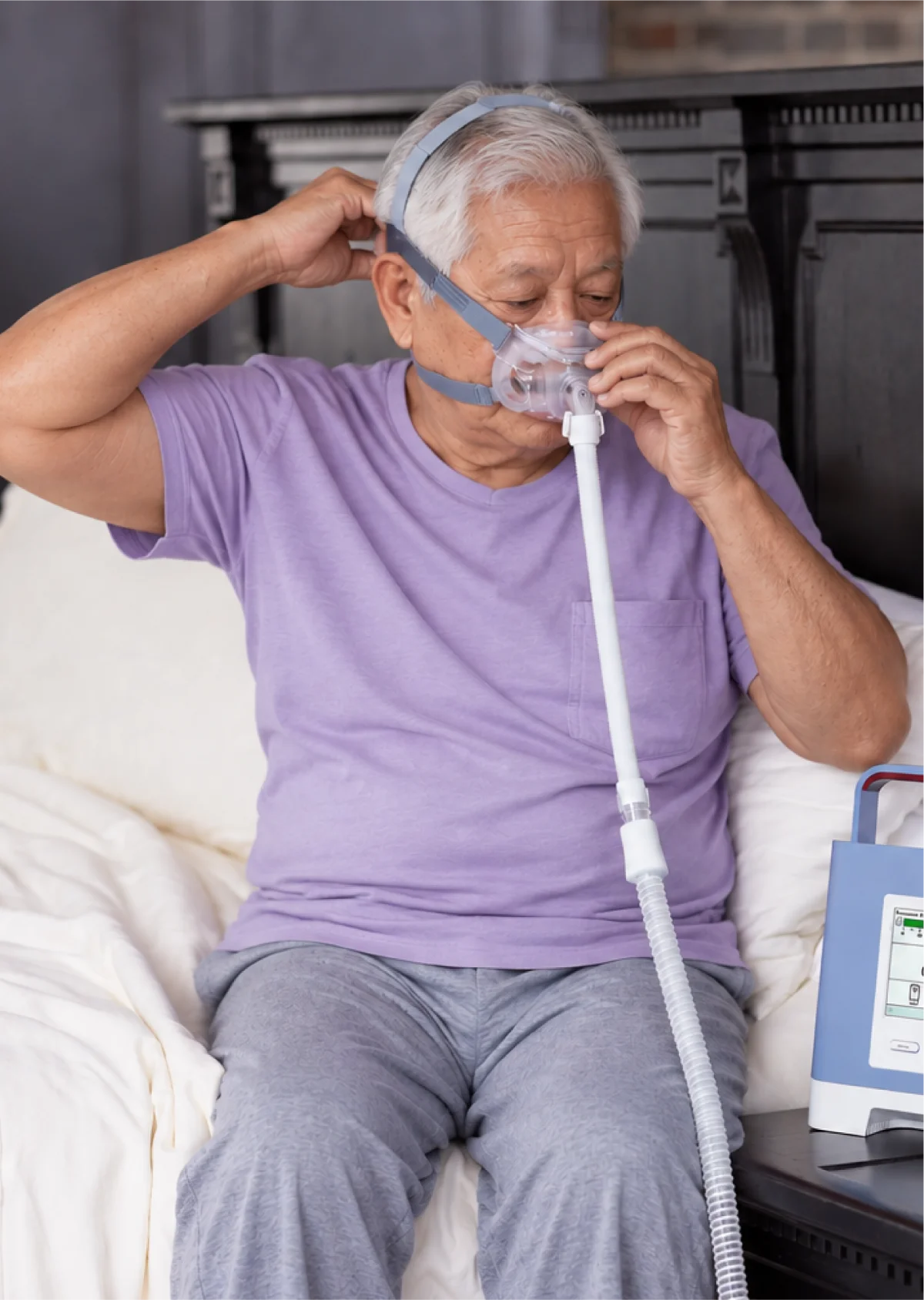
6 Weeks Free Care After Hospital: Who Qualifies and What Happens Next
If someone you love is coming out of hospital, you may have heard that they’ll get six weeks of free care. It’s one of the most talked-about parts of leaving hospital, and one of the most misunderstood. Families often assume it’s automatic, that it always lasts six weeks, or that it covers whatever care is needed. None of those is quite right.
This guide explains what 6 weeks free care after hospital really means, who qualifies, what it covers and, most importantly, what happens when it ends.
Key Takeaways
- “Six weeks free” is the name most families hear for short-term support after a hospital stay. It can include reablement, intermediate care and discharge to assess.
- In England, councils must provide this support free of charge for up to six weeks, and it isn’t means-tested.
- It’s offered after an assessment, so it isn’t automatic, and many people need it for less than six weeks.
- It doesn’t cover long-term care. Ongoing support is arranged separately and is usually means-tested.
- Planning for the end of the free period early makes the handover far smoother.
What is 6 weeks free care after hospital?
“Six weeks free” is the everyday name for free, short-term support that helps someone recover after a hospital stay. It’s there to bridge the gap between leaving hospital and managing at home again. Hospitals and councils use several different names for it, which is where much of the confusion comes from. These are the ones you’re most likely to hear.
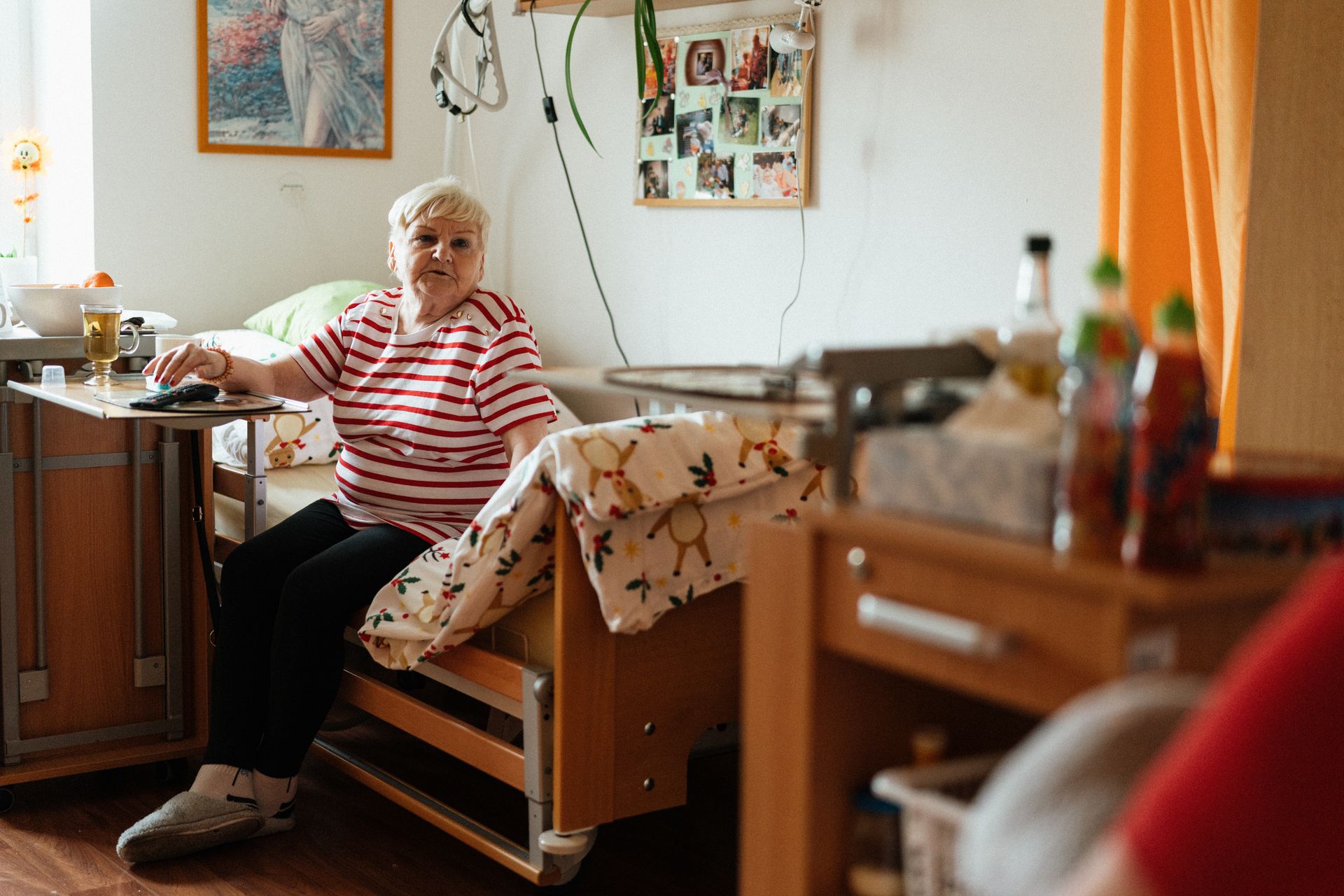
Reablement
Reablement is support at home that helps someone relearn everyday tasks, such as washing, dressing and making a meal. Care staff work with the person rather than doing things for them, and step back as they get stronger. Our guide explains what reablement is and what a reablement team does day to day.
What is intermediate care?
Intermediate care is the umbrella name for short-term support that helps someone recover after a hospital stay, or avoid going into hospital in the first place. As well as reablement, it can include:
- Physiotherapy and occupational therapy to rebuild mobility and confidence.
- Equipment and small adaptations, such as a raised toilet seat or grab rails.
- A short stay somewhere other than home, such as a community hospital bed, if someone isn’t ready to go straight home.
Discharge to assess
Discharge to assess is how many hospitals now organise leaving hospital. Rather than staying on the ward while their longer-term needs are worked out, people who are medically ready to leave go home, usually with short-term support in place, and their needs are assessed once they’ve settled.
It makes sense. Someone’s needs are much easier to judge in their own kitchen, with their own stairs, than from a hospital bed. But it does mean decisions about longer-term care are often made in the first few weeks at home, so it helps to be ready for that conversation.
Whatever it’s called locally, the aim is the same: to help someone get back to managing as independently as possible, as quickly as possible.
Who qualifies for 6 weeks free care after hospital?
There’s no fixed checklist. Free short-term care is offered to adults who are likely to benefit from it, based on an assessment of their needs. It’s commonly offered to people who:
- Are leaving hospital after an illness, injury, fall or operation and need some help to get back on their feet.
- Have lost some independence but are expected to regain at least some of it.
- Would otherwise struggle to manage safely at home in the first few weeks.
Crucially, it isn’t means-tested. Government guidance under the Care Act says councils in England must provide intermediate care and reablement free of charge for up to six weeks, for all adults, whether or not they have ongoing care needs. Savings, income and the value of the family home don’t come into it.
Three things are worth knowing:
- It isn’t automatic. Someone needs to be assessed as likely to benefit. If they aren’t, nothing is put in place by default.
- Six weeks is the maximum, not the norm. Support stops when goals are met, which is often after a week or two.
- It’s about recovery, not long-term needs. If someone’s needs are unlikely to improve, they’re more likely to be assessed for ongoing care instead.

What to ask before discharge
Before someone leaves hospital, it’s worth asking the ward team:
- What support has been arranged, and when will the first visit be?
- Who is providing it, and who should we call if something isn’t working?
- When will their needs be reviewed, and can we be there?
- What happens if they need more help than has been arranged?
What does free care after hospital cover?
Free short-term care is designed around recovery, so what it covers depends on someone’s goals. It typically includes help to get back to everyday tasks, therapy input and some equipment. What it usually doesn’t include:
- Long-term care. Ongoing help with everyday tasks once recovery has levelled off.
- Doing things for someone indefinitely. The focus is on helping them do things for themselves, so support reduces as they improve.
- A fixed number of visits. Visits are set by need and reviewed regularly, so they can go up or down.
| During the free period | After it ends | |
|---|---|---|
| Who pays | Free in England, for up to six weeks | The council after a financial assessment, or privately paid |
| How support is set | Around recovery goals, reviewed regularly | Around recovery goals, reviewed regularly |
| Who arranges it | The hospital, GP or council | The council after an assessment, or you directly |
| Focus | Getting someone back to independence | Supporting the things that remain difficult |
What happens when the six weeks end?
This is the part that catches most families out. Free care ends on a set date, whether someone is fully back to themselves or not. Before it does, the team should talk with you about what comes next. From there, there are usually three routes:
- No further care. Some people recover well enough to manage on their own again.
- Council-funded care. If needs remain, the council can carry out a care needs assessment, followed by a financial assessment to work out what it will pay towards. If someone has savings of more than £23,250, they’ll usually be expected to pay the full cost.
- Private care. Families can arrange home care directly, either because they won’t qualify for funding or because they’d like more support, more flexibility or more say in who provides it.
Some people with complex, long-term health needs may qualify for NHS continuing healthcare instead, which is arranged and funded by the NHS. The team should tell you if that’s worth exploring.
Whichever route applies, start planning around the halfway point. Care takes a little time to arrange, and it’s far calmer to put something in place while support is still running than in the days after it stops.
How Verified Care can help when free care ends
Families often get in touch with us in the last week or two of free care, when it’s clear some help will still be needed. We can arrange reablement care at home quickly, often within 24 hours, so there’s no gap between one kind of support and the next. We also deliver council-arranged reablement, particularly in East Riding, so some families already know us from the free period.
Verified Care is nurse-led, and our care staff carry on the same goal-focused approach: helping with personal care, meals and medication while encouraging your loved one to keep doing what they can. You’ll have a small, consistent team, so your loved one sees familiar faces, and we agree the plan with you as well as with them.
If you’re weighing up how to pay for care, our advice page on paying for care covers the options, along with what to ask when choosing a provider.
Your questions about free care after hospital
Do you get 6 weeks free care at home?
Most free short-term care is delivered at home, yes. In England it’s free for up to six weeks, but it’s offered after an assessment, and many people need it for less time than that.
Is the six weeks of free care means-tested?
No. Intermediate care and reablement must be provided free for up to six weeks, whatever someone’s savings or income. Means-testing only applies to care arranged after that.
Can someone get free care after hospital more than once?
Yes. It’s based on what someone needs at the time, not on whether they’ve had it before, so it can be offered again after another hospital stay, illness or fall.
What if my parent was sent home without any care in place?
Contact your local council’s adult social care team and explain what’s happened. In our area, that’s East Riding of Yorkshire Council or North Yorkshire Council. Ask for a care needs assessment, and say clearly if your parent isn’t safe at home.
Can we pay for extra care during the free period?
Yes. Some families add extra visits, overnight help or company while free support is running, and many arrange private care to start as it ends, so the handover is planned rather than rushed.
Home from hospital and not sure what comes next?
Whether a discharge date has just been set or reablement is coming to an end, our care staff can talk you through what happens next. No commitment, just a friendly chat.