Home care support
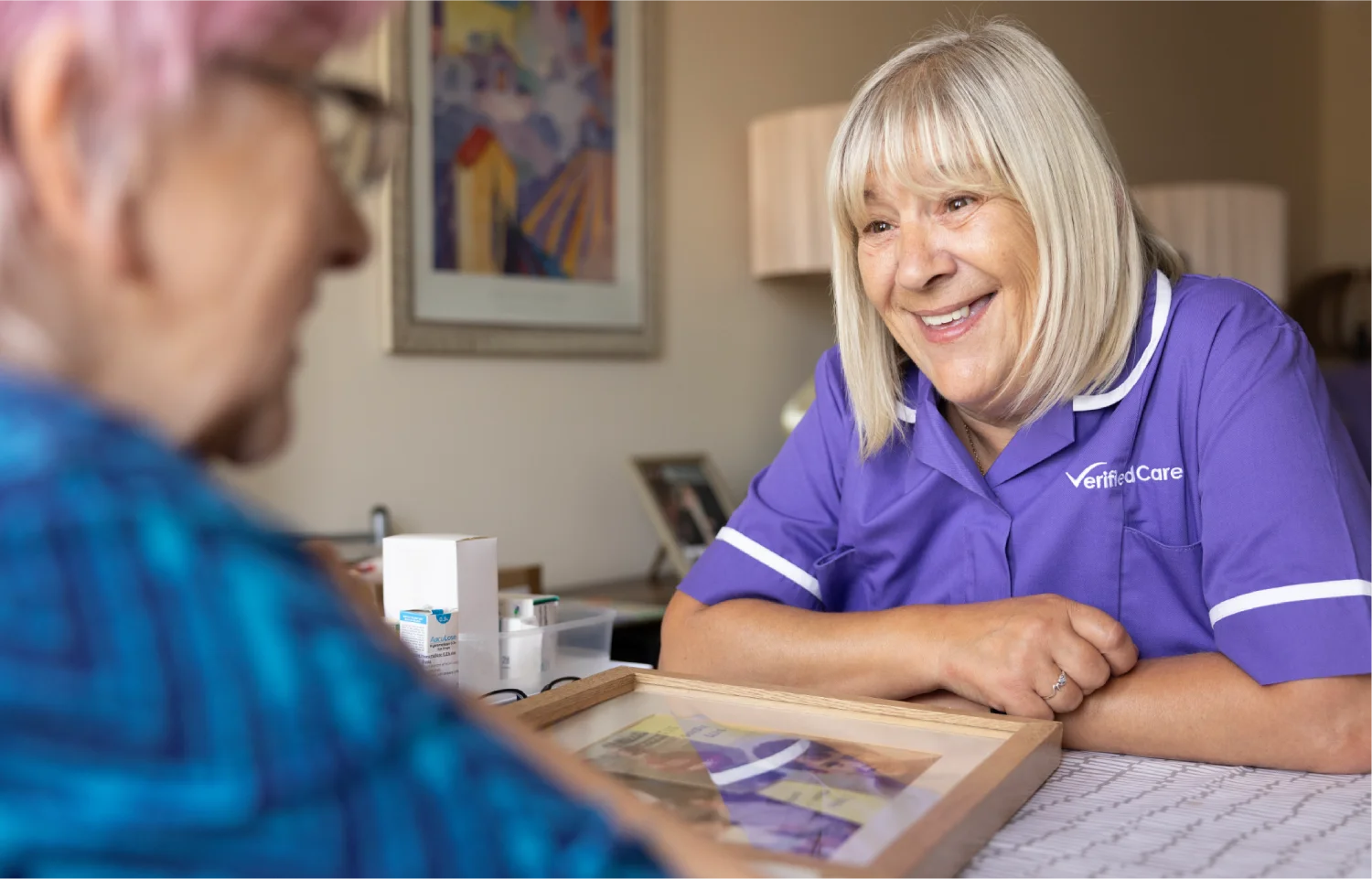
Support care with clarity
Families deserve support that’s clear, understanding and genuinely helpful. No one should ever feel left out or confused about what’s happening with their loved one. So we’ve gathered a range of information to help you build a stronger understanding of your care options, alongside some general home care advice.
Home care vs a care home
If your loved one needs extra support, choosing the right type of care is one of the biggest decisions you’ll face. Here we’ll outline the key differences between assisted living vs supportive housing to help you decide what’s best for your family.
Home care
- Familiar, comfortable surroundings, close to the people and places they love.
- One-to-one care, shaped around them and your family’s schedule.
- Independence and daily routines carry on much as before.

Care homes
- Round-the-clock care in one place, for more intensive needs.
- Meals, activities and company built into daily life.
- Can mean leaving a familiar home and adjusting to new surroundings.
- Care staff shared with others.
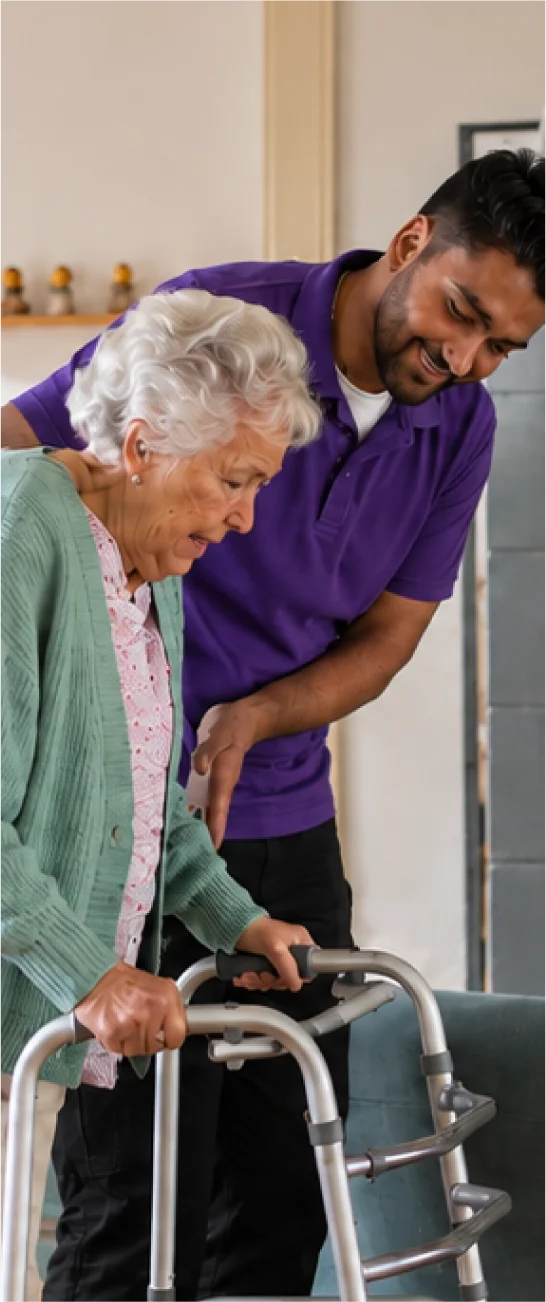
The value of care at home
For most people, home is where they feel most themselves. In fact, when given the choice, over 80% of older people would prefer to remain in their own home, close to familiar surroundings and in control of their own lives.
Other reasons home care may be worth considering include:

Greater independence
Carrying on with familiar routines helps your loved one hold on to their confidence and sense of self, rather than feeling life has been taken over.
Familiar surroundings
Staying somewhere full of memories and routines helps your loved one feel secure and at ease, which makes everyday life calmer and happier.
Truly personal care
One-to-one support means your loved one gets care shaped entirely around them, so their needs are met properly and never rushed.
Close to loved ones
Staying near family, friends and community keeps those important connections strong, which does wonders for happiness and wellbeing.

When it’s worth considering a care home
Care homes are still worth considering, especially if your loved one has needs that are harder to meet safely at home. It may be worth thinking about if your loved one:
- Needs specialist medical equipment or facilities that a home can’t accommodate
- Requires constant on-site clinical or nursing care beyond what home care provides
- Is no longer safe living in their current home, even with adaptations and support
- Would genuinely be happier in a community setting, surrounded by others day to day
Whatever you’re weighing up, you don’t have to decide alone. We’re always happy to talk it through honestly and help you find the right path for your loved one and your family.
Choosing a home care provider
Choosing between care providers is about more than the services they offer. Almost anyone can list the same tasks, so what really sets a provider apart is how they deliver that care, and how your loved one feels in their company.
What to check
- CQC ratings
- Feedback on website
- Reputation
- How they match care staff to each person
- How flexible they are as needs change
Red flags to watch out for
- A low CQC rating
- Poor or worrying reviews
- Being asked to start care before consent is signed
- High staff turnover
- Care plans that aren’t personalised
Questions to ask before committing
- Who’s involved in creating care plans, and are families included?
- Are your loved one’s own choices taken into account?
- How do you make sure medication is given safely, with the right gaps between doses?
- How often are care needs reviewed?
- Can we request a male or female carer?
- Will visits happen at the same time each day?
Paying for home care
Working out care at home costs can feel daunting, so we’re always happy to talk it through. We accept all of the funding routes below, and can help you understand which might apply to your loved one.
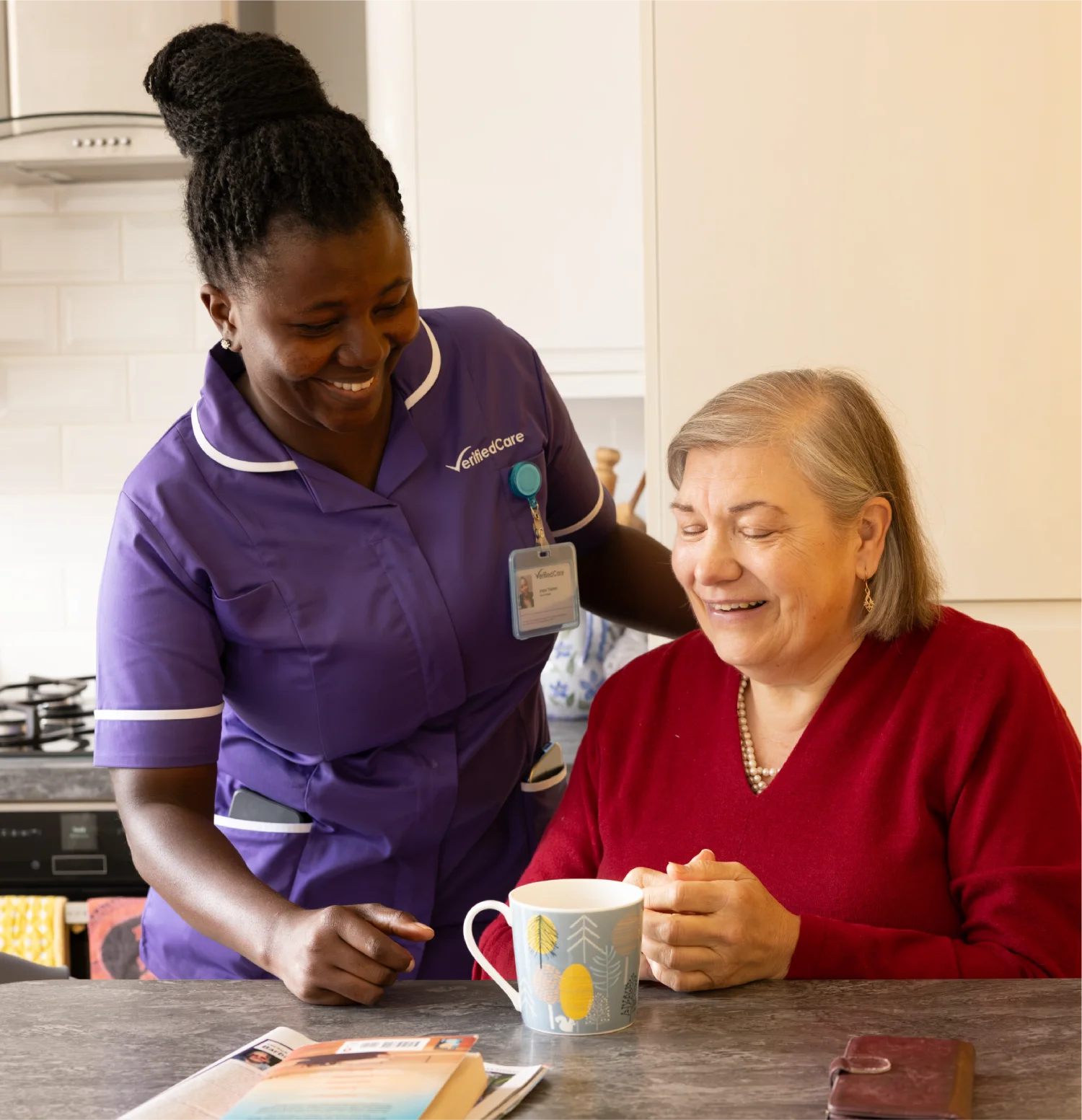
Self funded
If your loved one is managing and paying their own care costs, we’ll be clear and upfront about costs from the start, so there are no surprises.
Local authority
Depending on your loved one’s finances, your local council may contribute towards care costs following a financial, means-tested assessment.
As a general guide, those with savings and assets below the upper limit (currently £23,250) may be eligible for some support, though the amount depends on individual circumstances.
NHS continuing healthcare
For those with significant ongoing health needs, care may be fully funded by the NHS through continuing healthcare. Whether your loved one qualifies is decided by an NHS assessment, which looks at things like:
- The complexity of their health needs
- The intensity of the care they require
- How unpredictable their condition is
- Any risks to their health or safety
If your loved one is eligible, NHS continuing healthcare can cover the full cost of carers at home, wherever it’s provided.
Try not to commit to a care package until you’ve had a financial assessment, as the outcome could change how much you’re expected to pay, and no one wants an unwelcome surprise further down the line.
Financial support for carers
Caring for someone you love is demanding, and there’s more support out there than many families realise.
Some people may be entitled to Carer’s Allowance, a benefit paid to those who spend at least 35 hours a week caring for someone, to help support them in their caring role.
Whether you qualify depends on your circumstances, including how much you earn, so it’s worth checking what you may be entitled to.

Home care help and advice are within reach
We know how many questions come with arranging home care, from what support your loved one needs to how funding works and more. If you have any questions, don’t hesitate to reach out to our team for helpful home care advice and guidance.