
What Is Respite Care and How Does It Work?
If you look after someone you love, you’ll know that caring doesn’t stop for weekends, holidays or your own bad days. Respite care is what makes a break possible. Yet many family carers go months, even years, without one, often because they aren’t sure what’s available or feel guilty for asking.
This guide answers the question “what is respite care?”, explains the different types, how to get respite care and who pays for it, and what to do if you ever need emergency respite care at short notice.
Key Takeaways
- Respite care means someone else looks after the person you care for, so you can take a break.
- It can last a few hours, a few days or a couple of weeks, and can be planned ahead or arranged in an emergency.
- Respite at home lets your loved one keep their usual routine while you rest, work or go away.
- Councils fund respite only after an assessment, and may ask for a contribution after a financial assessment.
- Putting an emergency plan in place before you need it makes a short-notice break far less stressful.
What is respite care?
The NHS describes respite care as taking a break from caring while the person you care for is looked after by someone else. The break might be a few hours a week, a day or two, or a longer stretch while you go on holiday, have an operation of your own or simply rest.
Respite care for carers isn’t a luxury. Respite for carers protects your own health as much as it gives you time off. Caring can be physically and emotionally exhausting, and regular breaks help you stay well enough to keep going. It’s good for the person you care for, too. A change of face can be welcome, and getting used to someone else supporting them matters if you’re ever unwell yourself.
What is respite care for the elderly?
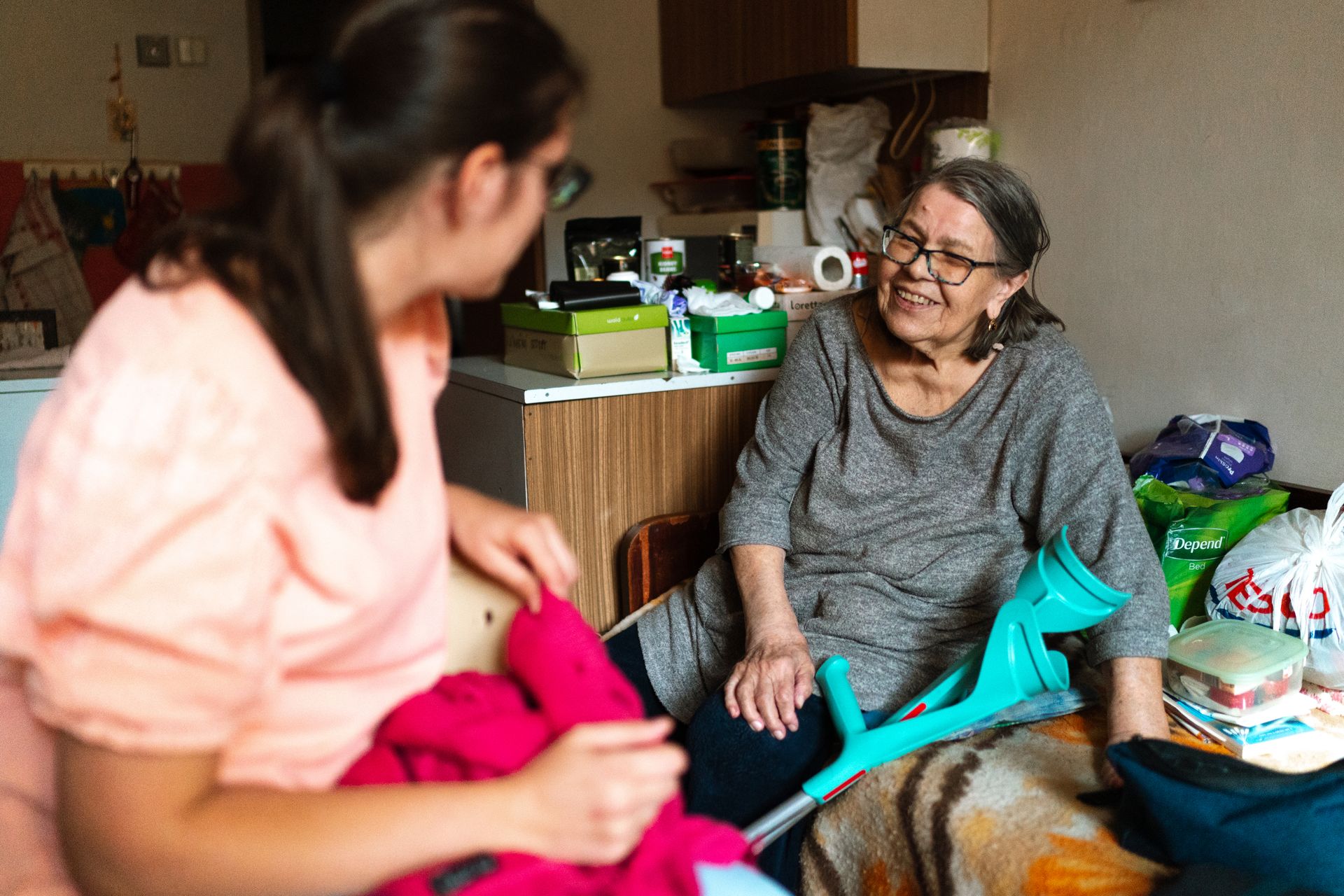
For older people, respite care usually means help with personal care, meals, medication and company while their usual carer, often a husband, wife, son or daughter, has a break. It can also support people of any age living with dementia, a long-term condition or a disability.
Types of respite care
Respite care comes in several forms. The right one depends on how much support your loved one needs, how long a break you need, and what they’re comfortable with.
Type | What it involves | Often suits |
|---|---|---|
Respite at home | Care staff visit or stay at home, from a few hours to overnight or several days | People who are settled at home and find change unsettling |
Day services | A day centre with activities and company | People who enjoy getting out and socialising |
Sitting services | Someone keeps your loved one company for a few hours | Short breaks, appointments or an evening out |
A short stay away from home | A planned stay in a care home | People who need care around the clock and are happy to stay somewhere new |
Emergency respite | Cover arranged at short notice if you suddenly can’t care | Illness, a family emergency or a carer crisis |
Some families combine these, for example a regular sitting visit each week plus a longer break once or twice a year.
Why many families choose respite at home
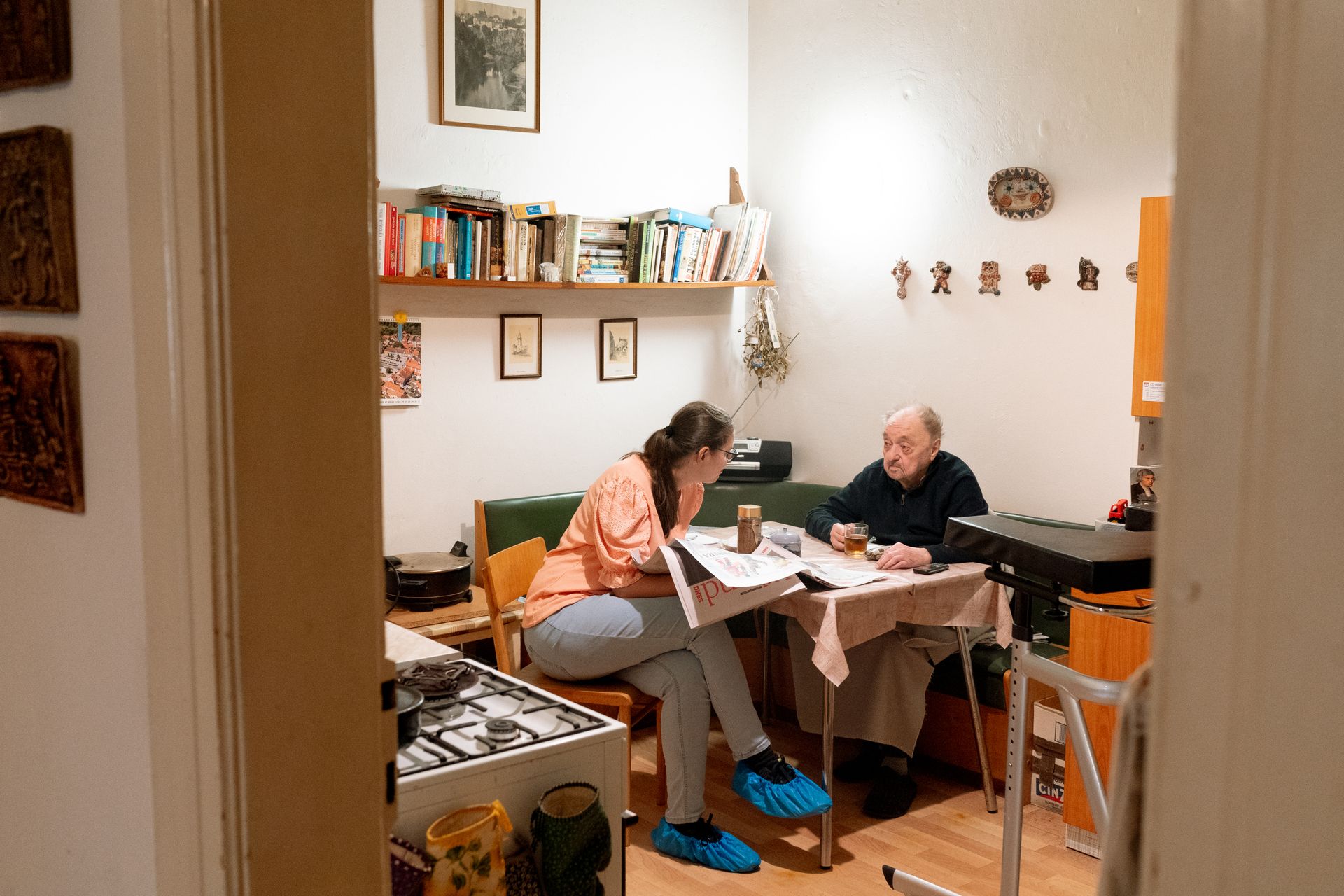
For many people, staying at home is the least disruptive option. Their bed, their routine and their belongings stay the same, and there’s no packing or settling in. That can make a real difference for someone living with dementia, or anyone who finds new places confusing or tiring.
- Routines carry on. Meals, medication and bedtimes stay as normal.
- Home life stays the same. Pets, hobbies and visitors remain part of the day.
- It’s flexible. Support can range from a two-hour sit to overnight stays across several nights.
- It’s a gentle introduction to care. For some families it’s the first time anyone outside the family has helped, which can make future support easier to accept.
If your loved one needs someone with them around the clock while you’re away for longer, it’s worth knowing what live-in care involves, as a short live-in arrangement is another way to cover a bigger break.
How to get respite care
There are two main routes: through your local council, or by arranging it yourself.
Through the council
- Ask for a carer’s assessment for yourself. It looks at how caring affects you and what would help, including breaks. Our guide explains a carer’s assessment and how to ask for one.
- Ask for a care needs assessment for the person you care for. Councils only fund respite for people they’ve assessed as needing it. You can ask for both assessments to be done together.
- Contact adult social care. In our area, that’s East Riding of Yorkshire Council or North Yorkshire Council. You can usually call or apply online.
If the council agrees that respite is needed, it can arrange the care for you, or give you a personal budget or direct payment so you can choose a provider yourself.
Arranging respite care privately
You can also go straight to a home care provider. This is often quicker, and you have more say over when breaks happen and who provides them. Many families arrange private respite while they wait for an assessment, or to top up what the council provides.
Who pays for respite care, and is it free?
That depends on who arranges it and on your loved one’s finances.
- Council-arranged respite. After an assessment, the council carries out a financial assessment to work out what it will pay and what your loved one contributes.
- Paying privately. Many families self-fund, using income, savings or benefits such as Attendance Allowance, which isn’t based on savings.
- Charities and grants. Some charities offer grants towards breaks for carers on a low income, and some sitting services are free or low cost.
How much respite care costs depends on the type of care, how long it lasts and whether it includes nights. A short sitting visit costs far less than a week of overnight care. Our team can talk you through costs with Verified Care on a call.
Emergency respite care: plan before you need it
Emergency respite care is cover arranged at short notice when a carer suddenly can’t continue, perhaps because they’re ill, have had a fall themselves or are dealing with a family emergency. It’s one of the most worrying situations a carer can face, and a little planning makes it much easier.
- Write down the essentials. Medication, routines, GP details, likes and dislikes, and who to call.
- Agree a backup person who could step in for a few hours.
- Make sure someone can get in, with a spare key left with a trusted neighbour or a key safe.
- Ask about a carer’s emergency plan. Many councils and carers’ centres can help you put one together.
- Keep a care provider’s number to hand, ideally one that can respond quickly.
Respite care with Verified Care
Our in-home respite care gives you a break while your loved one stays at home, with care staff who follow their routine and keep up the things they enjoy. Support can include personal care, meals, medication, appointments and getting out into the community.
- Day breaks of two to four hours, up to 12 hours in a day.
- Overnight stays of one to seven nights, as sleeping or waking nights.
- Planned breaks with 24 hours’ notice for short visits, 48 hours for a full day, and three days to a week for overnight stays.
- Emergency respite within four hours if a care arrangement breaks down or a family carer is in crisis.
Respite can also be arranged through your council after an assessment. If your loved one has a personal budget or direct payment, you can use it to pay for respite care with us.
Verified Care is nurse-led, and we match care staff to your loved one on personality, interests and communication style, so they see a familiar face each time you take a break. If regular help would make the rest of the week easier too, our home care services can carry on between breaks.
Your respite care questions answered
How long can respite care last?
Anything from a few hours to a couple of weeks. Council-funded respite is set out in a care and support plan, so how much someone gets depends on their assessment. Privately arranged respite can be as long or as short as you need.
Is respite care free?
Not usually for the person receiving care. Council-arranged respite is means-tested, so your loved one may be asked to contribute. Some charity-run sitting services are free or low cost.
Can I get respite care if I work?
Yes. Respite isn’t only for holidays. Many carers use it to keep working, get to their own appointments, or have one evening a week to themselves.
What if my loved one doesn’t want someone new?
That’s very common, especially at first. Start small, with a short visit while you’re still at home, and build up from there. Seeing the same care staff each time helps trust grow.
Can respite care be arranged in an emergency?
Yes. Emergency respite can be arranged at short notice if you suddenly can’t provide care. It helps to have the essentials written down and a provider’s number to hand before you ever need it.
Home from hospital and not sure what comes next?
Whether a discharge date has just been set or reablement is coming to an end, our care staff can talk you through what happens next. No commitment, just a friendly chat